
An introduction to sleep

Energy requirements & fatigue
Eating too much food will provide more energy than we need for metabolic and activity needs, leaving the extra energy stores as body fat (weight). The greater your body weight,……
When should I sleep?
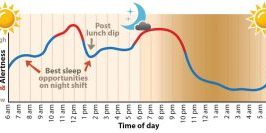
Our levels of alertness and attention are influenced by our circadian rhythms, as shown in the figure below. Circadian rhythms allow us to feel more alert during the day and……
Managing mental health and fatigue
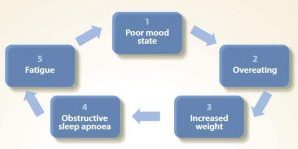
When trying to establish the cause of an individual’s fatigue, it is easy to get caught up in the end point, or symptoms, of fatigue. However, start digging a little……
Mood & physical activity
Think about the last time you took a brisk walk. How did you feel afterwards? I bet you felt good! You don’t have to wait for the good feeling physical……

10 nutrition tips to beat fatigue
Eat breakfast based on breads, cereals low fat dairy and fruit. Pack a lunchbox with snack including at least 2 pieces of fruit. Portion dinner plate correctly with half the……

Fitness levels
REGULAR PHYSICAL ACTIVITY leads to improved physical and functional (i.e. real-life, every day activities) fitness which has a major impact on reducing fatigue. This is because increasing fitness enables our……

10 exercise tips to help beat fatigue
Whether it is a structured exercise program or just part of your daily routine, all exercise adds upEase into it! If you’ve been sedentary for a long time, are overweight,……
Hydration
Your body needs adequate fluid and electrolytes in order to have any chance of feeling energised. If these needs are not met, then physical and mental fatigue will increase, as……
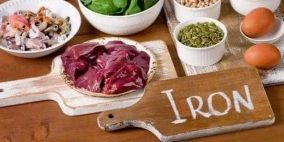
Iron levels and fatigue
Iron is a mineral. It is necessary to make haemoglobin (an oxygen carrying molecule) in the blood. If iron is not eaten in adequate amounts in the diet; anaemia, tiredness……
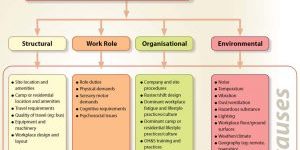
What causes fatigue?
Fatigue is caused by a range of different factors. It is usually not just one factor but a combination of factors that will explain someone’s fatigue. Being able to characterise……