
What can you do to manage fatigue?
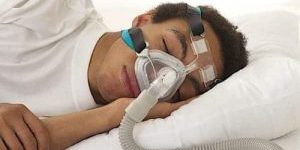
Sleep Disorders
It is estimated that 6% of the population suffer from sleep disorders. Sleep disorders may make some health conditions worse such as, heartburn, depression, asthma and heart disease. Sleep disorders……

The impacts on circadian rhythm and melatonin production in visually impaired people
Light is captured through photoreceptors in the eyes which transmit this to the suprachiasmatic nucleus (SCN), or internal body clock, via a dedicated neural pathway. Each day the light-dark cycle……
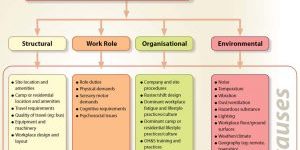
What causes fatigue?
Fatigue is caused by a range of different factors. It is usually not just one factor but a combination of factors that will explain someone’s fatigue. Being able to characterise……

Hydration
Your body needs adequate fluid and electrolytes in order to have any chance of feeling energised. If these needs are not met, then physical and mental fatigue will increase, as……

Anxiety and fatigue
While the symptoms of anxiety disorders change with the specific diagnosis, the common theme is an overwhelming sense of worry and the associated lack of concentration, feeling tired and irritable.……

How much sleep do you need?
The amount of sleep that people require varies between individuals depending on many factors. Age is a major determinant of the quantity of sleep. The table below provides a general……

Managing mental health with your lifestyle
A healthy lifestyle is paramount for the treatment and prevention of mood disorders. Healthy lifestyle includes a combination of healthy eating, regular exercise and reduced alcohol consumption. Lifestyle changes help……

Top tips for management mental health
Putting it all together Depression, anxiety and stress are major risk factors of fatigue. The good news is that they are all treatable conditions and many people overcome mood disorders……

Sleep medication
Sleeping medication may be helpful to overcome short term needs or significant life events, such as grief or high stress events. Sleeping medication can be used to improve sleep quantity……

What are the best methods to improve sleep quality during menopause?
Many women report disturbed sleep during perimenopause and menopause. This often includes difficulty falling or staying asleep and waking through the night or very early in the morning. There are……