
Posts by FatigueTech
Building fatigue resilient workplaces

Imagine being able to do everything in your working and personal life without thinking: “I don’t have the energy to do this”? The good news is that you can take steps to be more fatigue resistant…most of the time.Building fatigue resistance is like completing a puzzle each day. Think for a minute what makes completing……
Read MoreWhat can you do to manage fatigue?
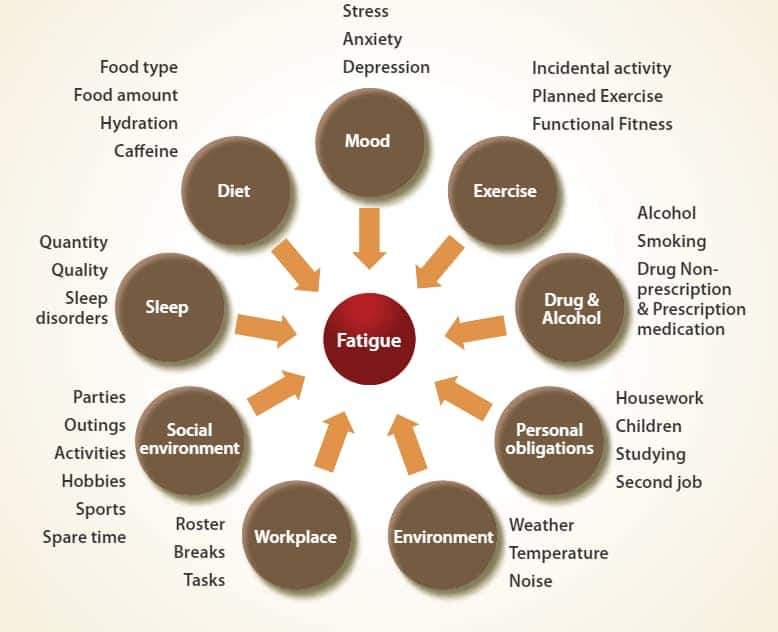
Taking action against fatigue happens in two forms: 1) the action you take when you experience fatigue; and 2) the action you take to prevent fatigue and therefore become more fatigue resistant. Figure 1 below summarises the causes of fatigue and identifies the areas that need to be focused on to build fatigue resistance. Although……
Read MoreAn introduction to sleep

Sleep is common throughout the animal kingdom. We do know there is still a lot to be leaned about sleep, despite considerable research. All animals require sleep and no permanent non sleeping species exists. Even plants and bacteria have a regular period of rest and inactivity. Humans spend one-third of their lives sleeping. Far from……
Read MoreHow sleep works
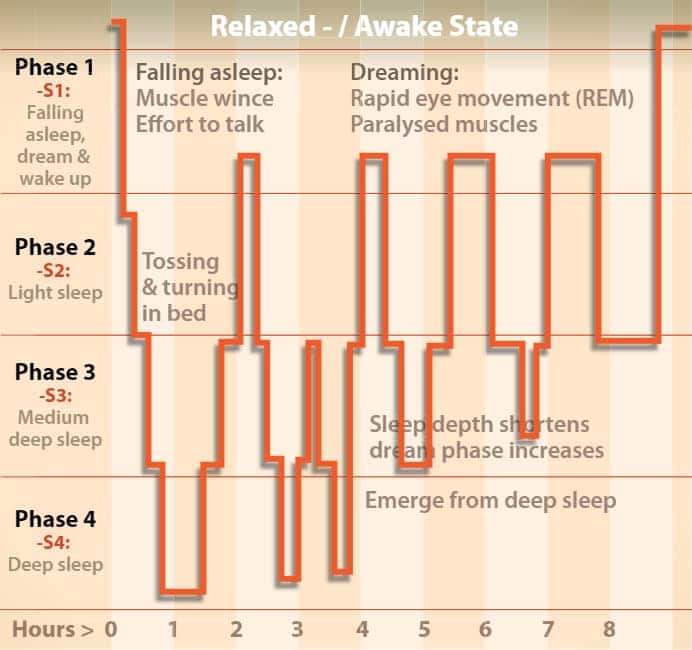
Good sleep helps us wake up feeling refreshed and alert for our daily activities. Sleep affects how we look, feel and perform on a daily basis. If sleep is cut short, the body doesn’t have time to complete all of the phases, which can leave us feeling drowsy, tired and fatigued. IMPORTANTExperts have warned that……
Read MoreHow much sleep do you need?
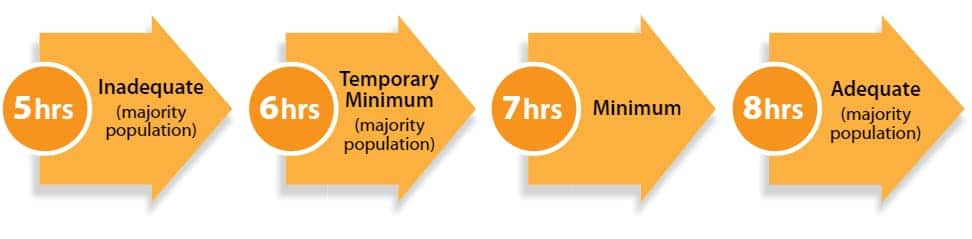
The amount of sleep that people require varies between individuals depending on many factors. Age is a major determinant of the quantity of sleep. The table below provides a general guide to the number of hours sleep needed through the stages of life. Children generally require more hours of sleep each day, while for most……
Read MoreDreaming

There are many theories about dreams including how they occur and what they may mean, if anything. Dreams may not serve any purpose at all and may be merely a by-product of two evolutionary adaptations – sleep and consciousness. The question about the function of dreaming is still unanswered. Dreams often involve the dreamer in……
Read MoreSleep debt
Sleep debt is the cumulative effect of not getting enough sleep. Two kinds of sleep debt have been proposed: 1) partial sleep deprivation; or 2) total sleep deprivation. Partial sleep deprivation occurs when a person gets inadequate sleep for many days or weeks. Total sleep deprivation occurs when a person is kept awake for days……
Read MoreNapping
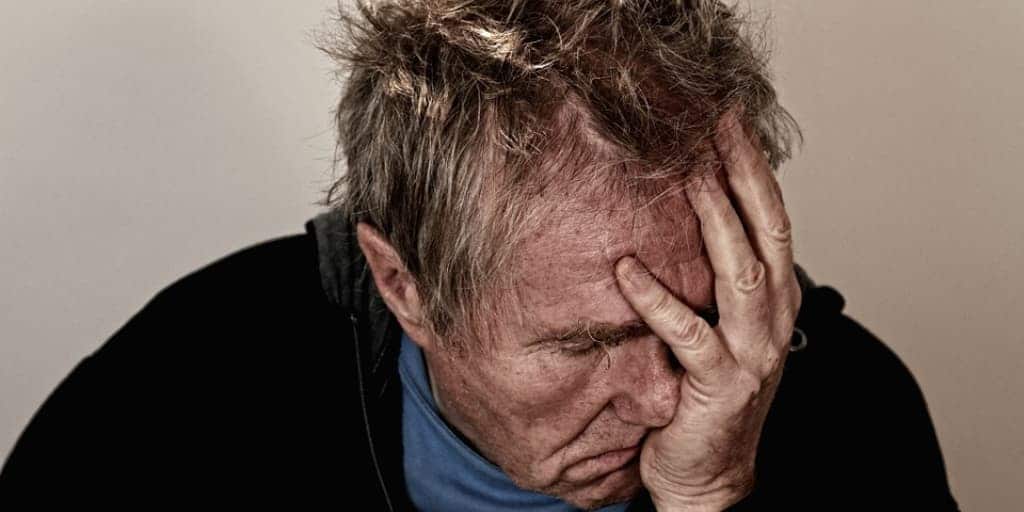
Effective napping is a skill, which cannot be achieved by everyone. Napping cannot replace sleep, but can assist in times of sleep debt, extreme tiredness and/or when heightened alertness is required for your safety, such as driving a car. Naps may improve subsequent performance and alertness for a period of time, ranging from 2 to……
Read MoreSleep Disorders

It is estimated that 6% of the population suffer from sleep disorders. Sleep disorders may make some health conditions worse such as, heartburn, depression, asthma and heart disease. Sleep disorders are diagnosed by a GP or sleep specialist. If you are experiencing poor sleep and have some of the following symptoms, you may want to……
Read MoreExercise and sleep

Regular exercise can considerably improve the quality and quantity of sleep, as well as, having other benefits to general health and wellbeing. Exercise improves sleep by improving the release and uptake of neurotransmitters in the brain. This provides a positive environment for the brain to function allowing sleep to occur more naturally.There are some considerations……
Read More