
Sleep Disorders
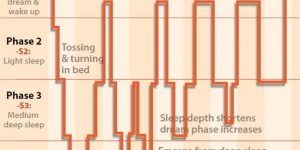
How sleep works
Good sleep helps us wake up feeling refreshed and alert for our daily activities. Sleep affects how we look, feel and perform on a daily basis. If sleep is cut……
Body weight & fatigue
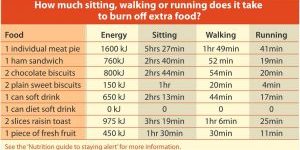
EXCESS BODY FAT INCREASES THE LIKELIHOOD OF SOMEONE GETTING FATIGUED Imagine walking around all day with a backpack on containing a 10 kg brick. Wouldn’t you feel more tired at……

Getting enough exercise
We’ve talked about all the benefits of physical activity, but how do we know your fitness is causing you to lack energy and feel fatigued? Ask yourself these questions: Do……
Meal type and fatigue
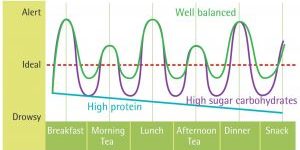
It is often promoted that foods high in carbohydrate make you drowsy because they increase the uptake of the amino acid tryptophan by the brain. Tryptophan is a chemical that……

Is it possible to have too much sleep each night?
It is still largely unknown how many exact hours of sleep per day are needed in adults, according to their age, their environmental and socio-cultural characteristics. It is generally cited……
Managing mental health and fatigue
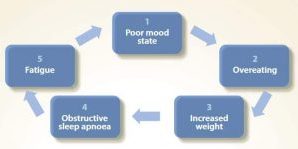
When trying to establish the cause of an individual’s fatigue, it is easy to get caught up in the end point, or symptoms, of fatigue. However, start digging a little……

What are the best methods to improve sleep quality during menopause?
Many women report disturbed sleep during perimenopause and menopause. This often includes difficulty falling or staying asleep and waking through the night or very early in the morning. There are……

The impacts on circadian rhythm and melatonin production in visually impaired people
Light is captured through photoreceptors in the eyes which transmit this to the suprachiasmatic nucleus (SCN), or internal body clock, via a dedicated neural pathway. Each day the light-dark cycle……

Assessing your Fatigue
Your personal safety, and the safety of those around you, is dependent on three factors when it comes to fatigue: recognition that you are feeling fatigued;understanding the potential consequences of……

Types of mood disorders
Mental health can generally can be seperated into three categories: stress, anxiety, and depression and can all directly or indirectly increase the risk of fatigue. They are all common and……