
What are the best methods to improve sleep quality during menopause?

How does caffeine affect sleep
Caffeine stimulates the central nervous system and can artificially stimulate your senses, which makes you more alert. Peak alertness levels are generally reached 30-60 minutes after consumption. If too much……
Top tips for management mental health
Putting it all together Depression, anxiety and stress are major risk factors of fatigue. The good news is that they are all treatable conditions and many people overcome mood disorders……
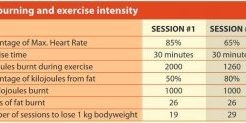
How hard do I need to exercise to burn fat?
This is probably one of the most common questions people ask about exercise and weight loss; and the most poorly understood. The answer to this question comes down to the……

Is shift work detrimental to health?
There is a body of evidence that supports the statement that shift work can detrimentally impact on health, as well as, other factors that impact on human wellbeing and safety……
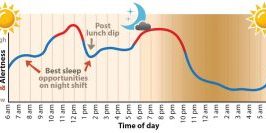
When should I sleep?
Our levels of alertness and attention are influenced by our circadian rhythms, as shown in the figure below. Circadian rhythms allow us to feel more alert during the day and……

Sleep debt
Sleep debt is the cumulative effect of not getting enough sleep. Two kinds of sleep debt have been proposed: 1) partial sleep deprivation; or 2) total sleep deprivation. Partial sleep……

Napping
Effective napping is a skill, which cannot be achieved by everyone. Napping cannot replace sleep, but can assist in times of sleep debt, extreme tiredness and/or when heightened alertness is……

Managing mental health with your lifestyle
A healthy lifestyle is paramount for the treatment and prevention of mood disorders. Healthy lifestyle includes a combination of healthy eating, regular exercise and reduced alcohol consumption. Lifestyle changes help……

Mood and sleep
It’s no surprise that sleep, or a lack of sleep, affects our mood. One sleepless night will cause most people to be more irritable, short-tempered and stressed. After a good……
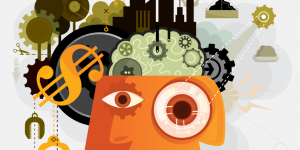
Types of mood disorders
Mental health can generally can be seperated into three categories: stress, anxiety, and depression and can all directly or indirectly increase the risk of fatigue. They are all common and……