
What type of exercise should you do?

Hydration
Your body needs adequate fluid and electrolytes in order to have any chance of feeling energised. If these needs are not met, then physical and mental fatigue will increase, as……

10 nutrition tips to beat fatigue
Eat breakfast based on breads, cereals low fat dairy and fruit. Pack a lunchbox with snack including at least 2 pieces of fruit. Portion dinner plate correctly with half the……

What are the best methods to improve sleep quality during menopause?
Many women report disturbed sleep during perimenopause and menopause. This often includes difficulty falling or staying asleep and waking through the night or very early in the morning. There are……

Mood and sleep
It’s no surprise that sleep, or a lack of sleep, affects our mood. One sleepless night will cause most people to be more irritable, short-tempered and stressed. After a good……
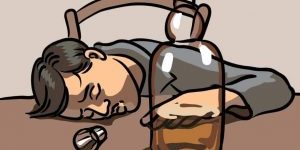
How does alcohol affect sleep
Alcohol is a depressant that slows the nervous system down. It impacts on the quality of the naturally occurring sleep cycles, and can increase sleep disturbance. Some people will say,……

Managing mental health with your lifestyle
A healthy lifestyle is paramount for the treatment and prevention of mood disorders. Healthy lifestyle includes a combination of healthy eating, regular exercise and reduced alcohol consumption. Lifestyle changes help……

Mood & physical activity
Think about the last time you took a brisk walk. How did you feel afterwards? I bet you felt good! You don’t have to wait for the good feeling physical……
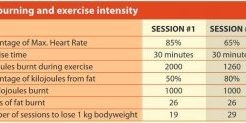
How hard do I need to exercise to burn fat?
This is probably one of the most common questions people ask about exercise and weight loss; and the most poorly understood. The answer to this question comes down to the……

Exercise and sleep
Regular exercise can considerably improve the quality and quantity of sleep, as well as, having other benefits to general health and wellbeing. Exercise improves sleep by improving the release and……
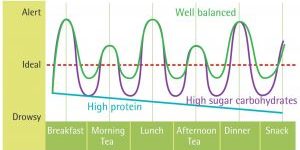
Meal type and fatigue
It is often promoted that foods high in carbohydrate make you drowsy because they increase the uptake of the amino acid tryptophan by the brain. Tryptophan is a chemical that……