
Mealing timing and fatigue
Mealing timing and fatigue
Our bodies perform best when given a regular supply of food throughout the day rather than one large meal. This means that to start maximising your energy you need to……
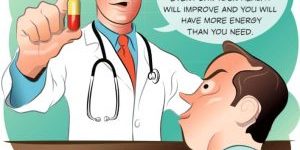
Mood & physical activity
Think about the last time you took a brisk walk. How did you feel afterwards? I bet you felt good! You don’t have to wait for the good feeling physical……
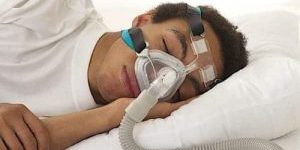
Sleep Disorders
It is estimated that 6% of the population suffer from sleep disorders. Sleep disorders may make some health conditions worse such as, heartburn, depression, asthma and heart disease. Sleep disorders……
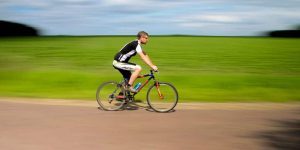
What type of exercise should you do?
When you are planning activity you don’t have to choose one activity. Think outside the square. The only limit to Active Living is safety. There are three types of training……
Napping
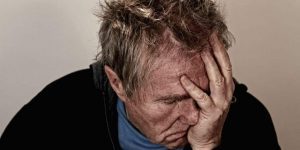
Effective napping is a skill, which cannot be achieved by everyone. Napping cannot replace sleep, but can assist in times of sleep debt, extreme tiredness and/or when heightened alertness is……
Meal type and fatigue
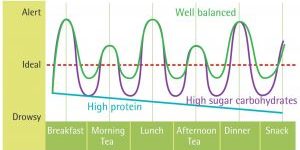
It is often promoted that foods high in carbohydrate make you drowsy because they increase the uptake of the amino acid tryptophan by the brain. Tryptophan is a chemical that……
Energy requirements & fatigue
Eating too much food will provide more energy than we need for metabolic and activity needs, leaving the extra energy stores as body fat (weight). The greater your body weight,……

10 exercise tips to help beat fatigue
Whether it is a structured exercise program or just part of your daily routine, all exercise adds upEase into it! If you’ve been sedentary for a long time, are overweight,……
How does alcohol affect sleep
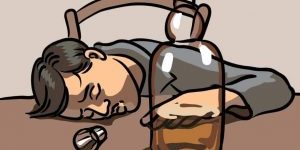
Alcohol is a depressant that slows the nervous system down. It impacts on the quality of the naturally occurring sleep cycles, and can increase sleep disturbance. Some people will say,……

What is fatigue amnesia?
Have you ever driven into your driveway at home and on arrival thought to yourself, How did I get here? I cannot recall the trip home or the last part……