
Building fatigue resilient workplaces

Napping
Effective napping is a skill, which cannot be achieved by everyone. Napping cannot replace sleep, but can assist in times of sleep debt, extreme tiredness and/or when heightened alertness is……
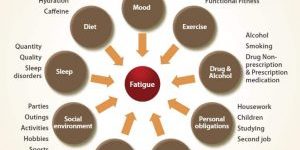
What can you do to manage fatigue?
Taking action against fatigue happens in two forms: 1) the action you take when you experience fatigue; and 2) the action you take to prevent fatigue and therefore become more……

Optimising sleep for night shift
In a 2018 article in the British Medical Journal (BMJ 2018;360:j5637 doi: 10.1136/bmj.j5637 [Published 1 March 2018]) the topic of optimsing sleep for night shift was covered with the aim……
Top tips for management mental health
Putting it all together Depression, anxiety and stress are major risk factors of fatigue. The good news is that they are all treatable conditions and many people overcome mood disorders……

Smoking and sleep
Nicotine can hamper a person’s ability to fall asleep or get good quality sleep. Studies have shown that the average smoker gets 30 minutes less sleep compared to non-smokers. Trouble……

Sleep medication
Sleeping medication may be helpful to overcome short term needs or significant life events, such as grief or high stress events. Sleeping medication can be used to improve sleep quantity……
An introduction to sleep
Sleep is common throughout the animal kingdom. We do know there is still a lot to be leaned about sleep, despite considerable research. All animals require sleep and no permanent……
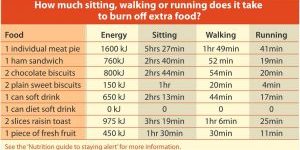
Body weight & fatigue
EXCESS BODY FAT INCREASES THE LIKELIHOOD OF SOMEONE GETTING FATIGUED Imagine walking around all day with a backpack on containing a 10 kg brick. Wouldn’t you feel more tired at……

Fitness levels
REGULAR PHYSICAL ACTIVITY leads to improved physical and functional (i.e. real-life, every day activities) fitness which has a major impact on reducing fatigue. This is because increasing fitness enables our……

Top 10 sleep tips
Poor sleep habits have often been reinforced over many years. The good news is that there are some common things you can do that will improve your sleep hygiene. Different……