
Mental illness. Causes and treatments
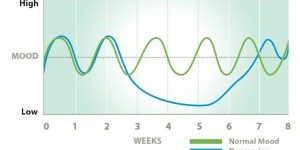
Depression and the impact on fatigue
While we all experience low mood from time to time, it is important to understand that this is not depression. Depression is more than just a low mood. Depression is……
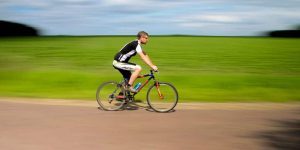
What type of exercise should you do?
When you are planning activity you don’t have to choose one activity. Think outside the square. The only limit to Active Living is safety. There are three types of training……
Hydration
Your body needs adequate fluid and electrolytes in order to have any chance of feeling energised. If these needs are not met, then physical and mental fatigue will increase, as……
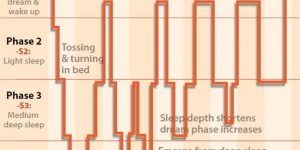
How sleep works
Good sleep helps us wake up feeling refreshed and alert for our daily activities. Sleep affects how we look, feel and perform on a daily basis. If sleep is cut……
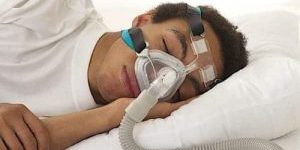
Sleep Disorders
It is estimated that 6% of the population suffer from sleep disorders. Sleep disorders may make some health conditions worse such as, heartburn, depression, asthma and heart disease. Sleep disorders……

Food quality and quantity
The quality and quantity of food you choose can make a huge difference to body weight. The difference between the two diets on the right is 5700kJ. Someone that eats……
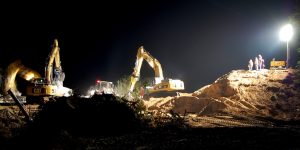
Optimising sleep for night shift
In a 2018 article in the British Medical Journal (BMJ 2018;360:j5637 doi: 10.1136/bmj.j5637 [Published 1 March 2018]) the topic of optimsing sleep for night shift was covered with the aim……
Napping
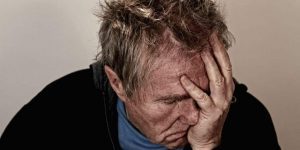
Effective napping is a skill, which cannot be achieved by everyone. Napping cannot replace sleep, but can assist in times of sleep debt, extreme tiredness and/or when heightened alertness is……
Top 10 sleep tips
Poor sleep habits have often been reinforced over many years. The good news is that there are some common things you can do that will improve your sleep hygiene. Different……

What are the best methods to improve sleep quality during menopause?
Many women report disturbed sleep during perimenopause and menopause. This often includes difficulty falling or staying asleep and waking through the night or very early in the morning. There are……