
Mood and sleep

How does caffeine affect sleep
Caffeine stimulates the central nervous system and can artificially stimulate your senses, which makes you more alert. Peak alertness levels are generally reached 30-60 minutes after consumption. If too much……
Mental illness. Causes and treatments
Causes of mood disorders The cause of stress, anxiety or depression is often difficult to determine and is usually a combination of social, situational and personal factors. Social factors may……
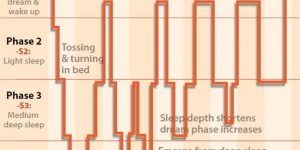
How sleep works
Good sleep helps us wake up feeling refreshed and alert for our daily activities. Sleep affects how we look, feel and perform on a daily basis. If sleep is cut……
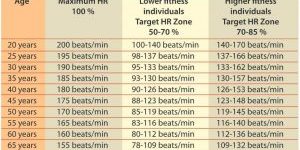
Are you exercising hard enough?
A word of caution.If you have been inactive for a while, you may want to start with less strenuous activities such as walking or swimming at a comfortable pace. Beginning……
Managing mental health with your lifestyle
A healthy lifestyle is paramount for the treatment and prevention of mood disorders. Healthy lifestyle includes a combination of healthy eating, regular exercise and reduced alcohol consumption. Lifestyle changes help……
Managing mental health and fatigue
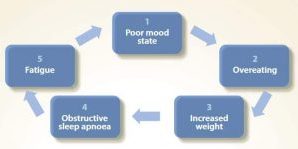
When trying to establish the cause of an individual’s fatigue, it is easy to get caught up in the end point, or symptoms, of fatigue. However, start digging a little……
What type of exercise should you do?
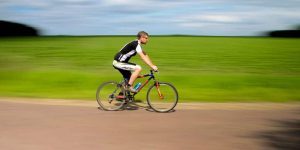
When you are planning activity you don’t have to choose one activity. Think outside the square. The only limit to Active Living is safety. There are three types of training……

Fitness levels
REGULAR PHYSICAL ACTIVITY leads to improved physical and functional (i.e. real-life, every day activities) fitness which has a major impact on reducing fatigue. This is because increasing fitness enables our……
Mood & physical activity
Think about the last time you took a brisk walk. How did you feel afterwards? I bet you felt good! You don’t have to wait for the good feeling physical……
Sleep & physical activity
Do I exercise or just have a sleep? It is not uncommon for people experiencing fatigue to put this down to lack of sleep, when in actual fact there are……