
How much sleep do you need?
An introduction to sleep
Sleep is common throughout the animal kingdom. We do know there is still a lot to be leaned about sleep, despite considerable research. All animals require sleep and no permanent……
Exercise and sleep
Regular exercise can considerably improve the quality and quantity of sleep, as well as, having other benefits to general health and wellbeing. Exercise improves sleep by improving the release and……

Assessing your Fatigue
Your personal safety, and the safety of those around you, is dependent on three factors when it comes to fatigue: recognition that you are feeling fatigued;understanding the potential consequences of……
Building fatigue resilient workplaces
Imagine being able to do everything in your working and personal life without thinking: “I don’t have the energy to do this”? The good news is that you can take……
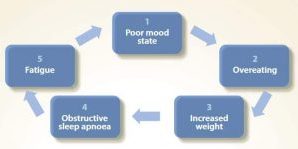
Managing mental health and fatigue
When trying to establish the cause of an individual’s fatigue, it is easy to get caught up in the end point, or symptoms, of fatigue. However, start digging a little……
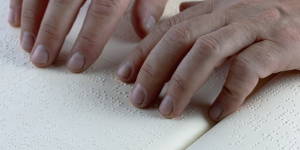
The impacts on circadian rhythm and melatonin production in visually impaired people
Light is captured through photoreceptors in the eyes which transmit this to the suprachiasmatic nucleus (SCN), or internal body clock, via a dedicated neural pathway. Each day the light-dark cycle……

Types of mood disorders
Mental health can generally can be seperated into three categories: stress, anxiety, and depression and can all directly or indirectly increase the risk of fatigue. They are all common and……
Top tips for management mental health
Putting it all together Depression, anxiety and stress are major risk factors of fatigue. The good news is that they are all treatable conditions and many people overcome mood disorders……

10 exercise tips to help beat fatigue
Whether it is a structured exercise program or just part of your daily routine, all exercise adds upEase into it! If you’ve been sedentary for a long time, are overweight,……
What type of exercise should you do?
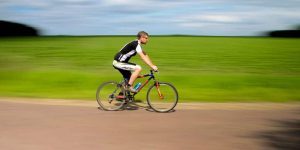
When you are planning activity you don’t have to choose one activity. Think outside the square. The only limit to Active Living is safety. There are three types of training……