
Napping
Top 10 sleep tips
Poor sleep habits have often been reinforced over many years. The good news is that there are some common things you can do that will improve your sleep hygiene. Different……

What are the signs and symptoms of fatigue?
Some of the key signs to look out for are listed below. Drowsiness is an impaired awareness associated with a desire to sleep and signs include:errors in familiar tasksrepeated yawningdifficulty……
Building fatigue resilient workplaces
Imagine being able to do everything in your working and personal life without thinking: “I don’t have the energy to do this”? The good news is that you can take……
Managing mental health with your lifestyle
A healthy lifestyle is paramount for the treatment and prevention of mood disorders. Healthy lifestyle includes a combination of healthy eating, regular exercise and reduced alcohol consumption. Lifestyle changes help……

Anxiety and fatigue
While the symptoms of anxiety disorders change with the specific diagnosis, the common theme is an overwhelming sense of worry and the associated lack of concentration, feeling tired and irritable.……
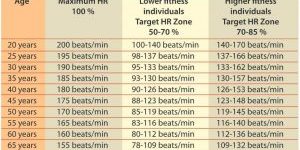
Are you exercising hard enough?
A word of caution.If you have been inactive for a while, you may want to start with less strenuous activities such as walking or swimming at a comfortable pace. Beginning……
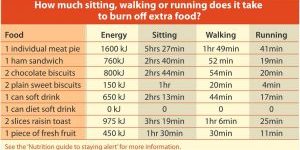
Body weight & fatigue
EXCESS BODY FAT INCREASES THE LIKELIHOOD OF SOMEONE GETTING FATIGUED Imagine walking around all day with a backpack on containing a 10 kg brick. Wouldn’t you feel more tired at……
Hydration
Your body needs adequate fluid and electrolytes in order to have any chance of feeling energised. If these needs are not met, then physical and mental fatigue will increase, as……

10 exercise tips to help beat fatigue
Whether it is a structured exercise program or just part of your daily routine, all exercise adds upEase into it! If you’ve been sedentary for a long time, are overweight,……
Is it possible to have too much sleep each night?
It is still largely unknown how many exact hours of sleep per day are needed in adults, according to their age, their environmental and socio-cultural characteristics. It is generally cited……